Books
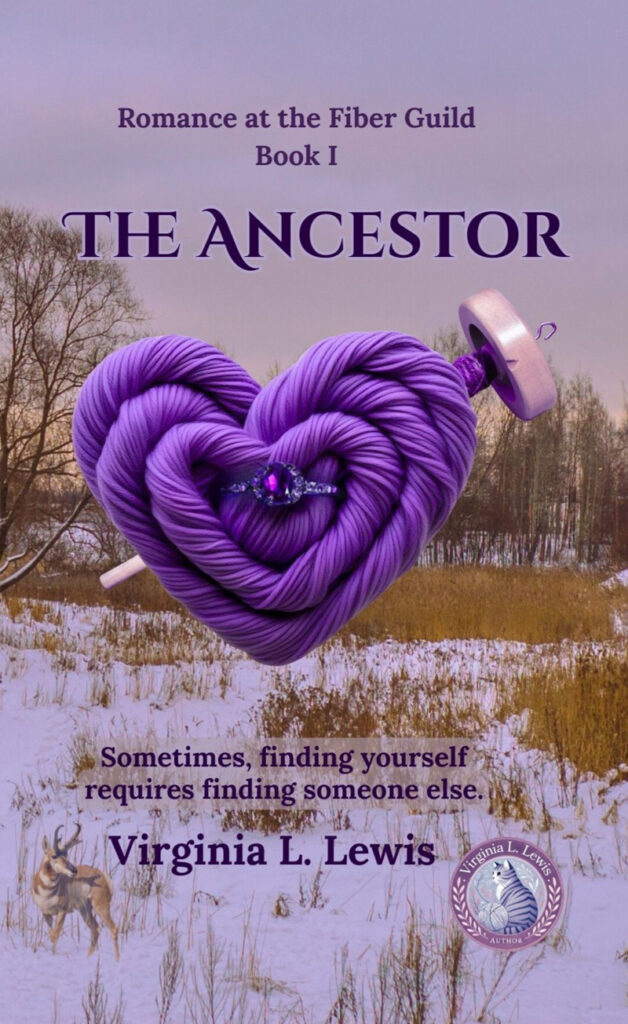
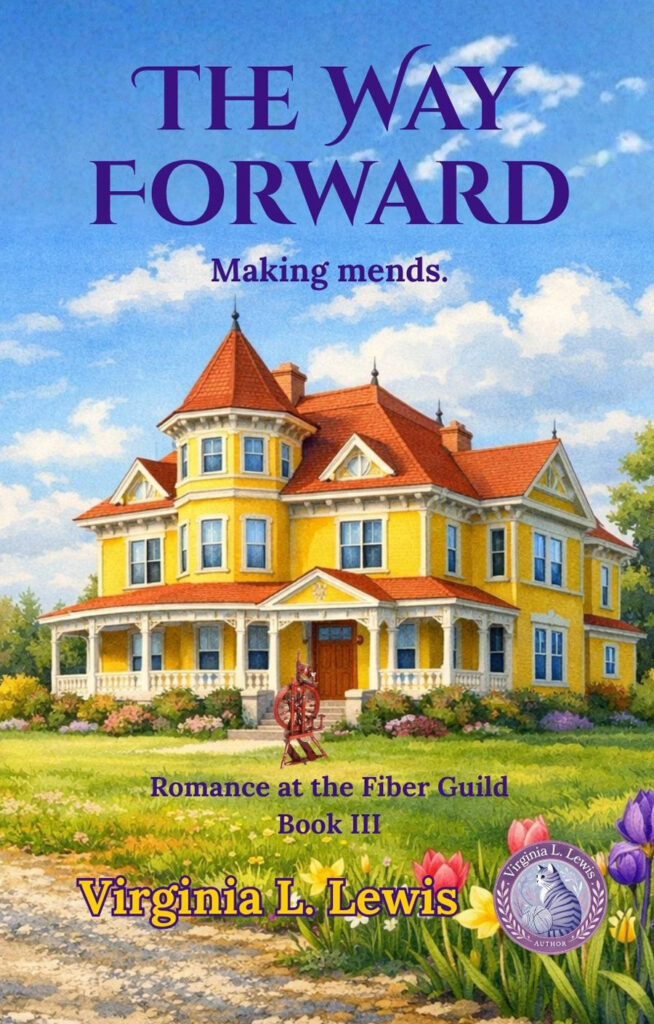
The Romance at the Fiber Guild series is up to eleven books and counting. These will be released over the next months. Books I, II, III, IV, and V are available for sale now. The others will be coming soon, so stay in the loop!

Turning Trauma into Treasure
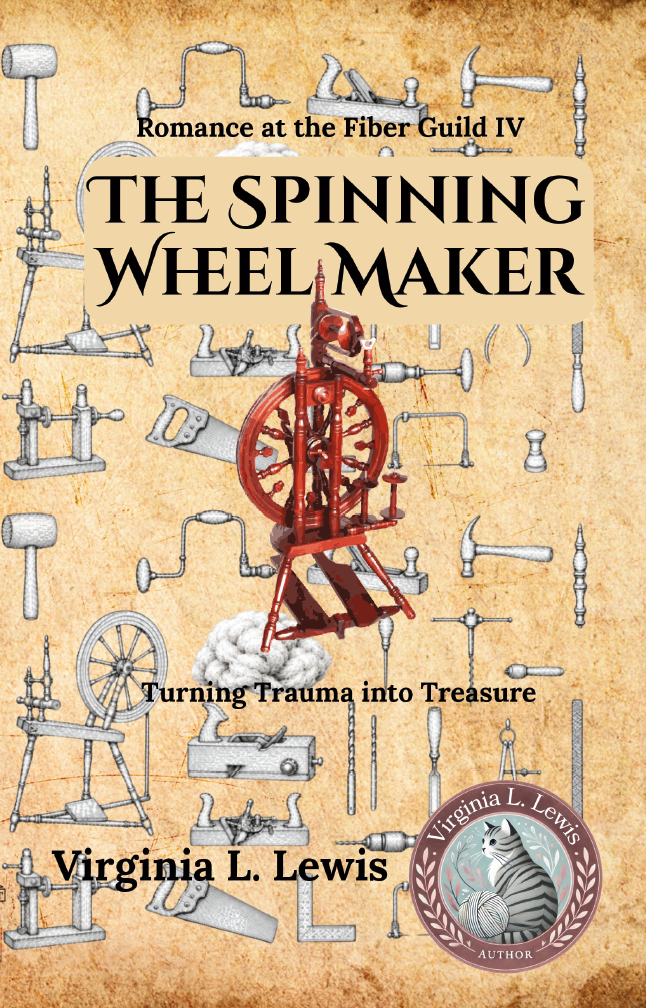
“The Spinning Wheel Maker is a wild, fun ride! Secrets, unexpected visitors, and the healing power of community make the latest book in this series the best one yet!”
“The Spinning Wheel Maker captivates readers with its depiction of modern-day Midwest America, and as with the previous three books, inspires us to examine how art and social action can be joyfully, magnificently, and effectively realized in our own lives.”
“The fourth book in the series is a compelling narrative that intricately weaves together themes of discovery, family dynamics, personal acceptance, and fear of the unknown. It is a very engaging read, easy to follow and will keep you hooked till the very end.”

“The fifth book in the Romance at the Fiber Guild series continues the stories of characters we’ve come to know and love and introduces us to another compelling character, Nicole Bentley.
Nicole slowly began losing her sight in elementary school and was diagnosied with Retinitis Pigmentosa in high school. We follow her as she is finally able to enroll in college at the age of 21 as part of her quest to become independent and create a fulfilling life. The greatest obstacle that she conquers is the medicalized perspective of disability and the accompanying hopelessness that permeates our society’s views of disabled communities. Instead, she embraces the perspective of disability as a social problem created by the able-bodied who fail to consider disability as they build the world in which we all must live.
With the help of assistive technology and new friends who believe in her, she is able to create a life most people wouldn’t believe is now possible for a blind person. She is able to succeed at university; explore a variety of employment opportunities; and even consider a future that includes romance. Along the way, her journey shows others in her new community the benefits of working towards building a more inclusive world as they pursue their own dreams.”
“I appreciated the way this story shows Nicole’s positive acceptance of her blindness and her determination to learn the alternative techniques she needs to accomplish whatever she sets her mind to. With the support of a strong circle of friends, despite her vengeful sister, Nicole demonstrates the confidence, resilience, and “I can do it” attitude that are so important for blind children to develop.
Her story is also a meaningful reminder for parents of blind children: technology can be helpful, but lasting success begins with strong foundations — braille, independent mobility, problem-solving skills, and the belief that blindness does not have to limit a child’s future.
Nicole’s acceptance of her blindness and determination to learn the techniques needed to accomplish her goals demonstrate the resilience and can-do attitude that are crucial for people who lose their sight. Her story reminds us that lasting success rests not so much on technological solutions as on foundational skills: braille, independent mobility, problem-solving, a strong circle of friends, and the conviction that blindness does not have to limit a person’s future.”